UI / UX Design
Journey Through Eras
Interactive AR experience designed to help children explore Oido’s history through playful, movement-based storytelling.
Year :
2021
Industry :
Exhibition / Interactive Media
Client :
Oido Museum
Project Duration :
15 weeks
Impact:
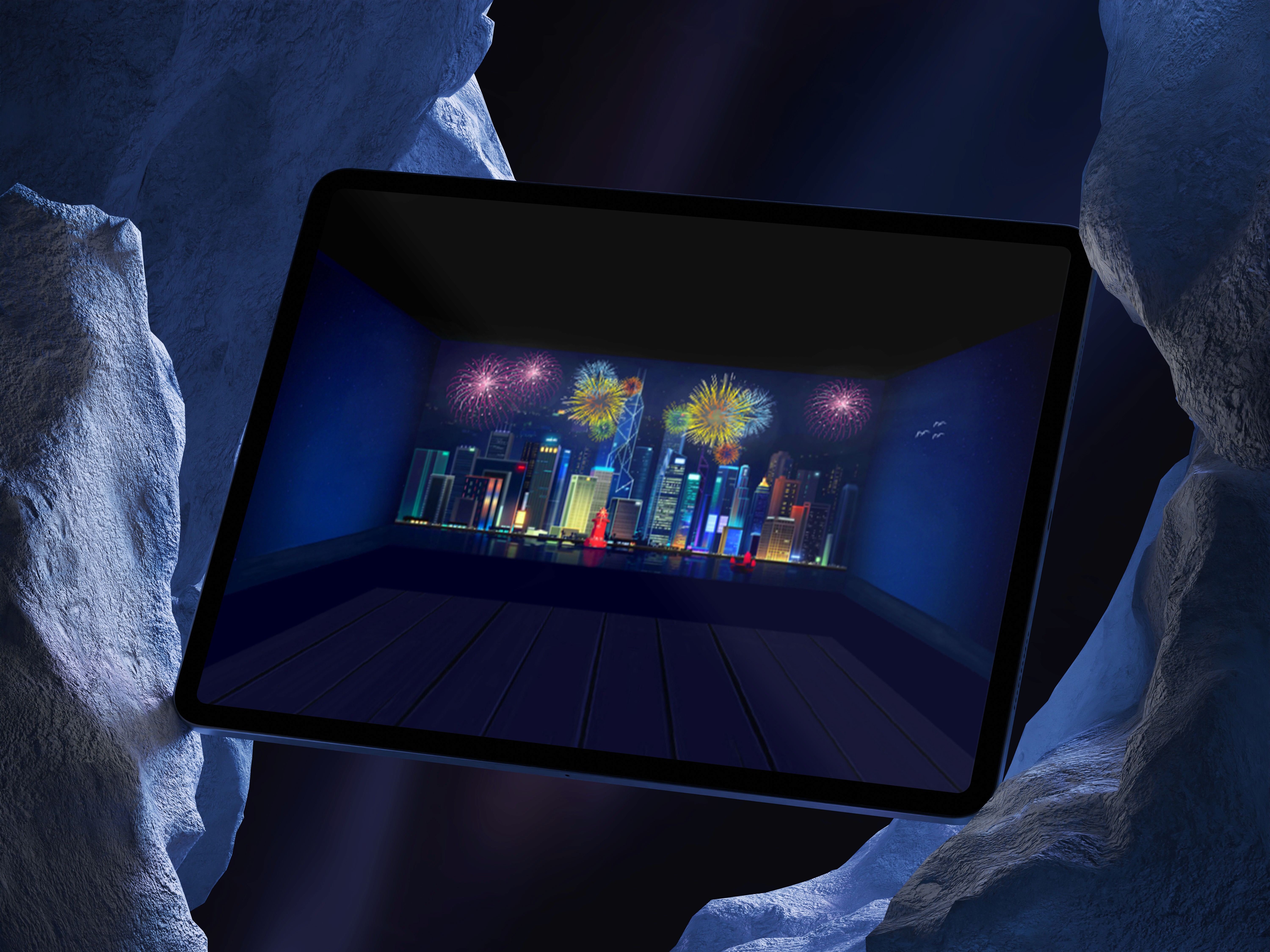
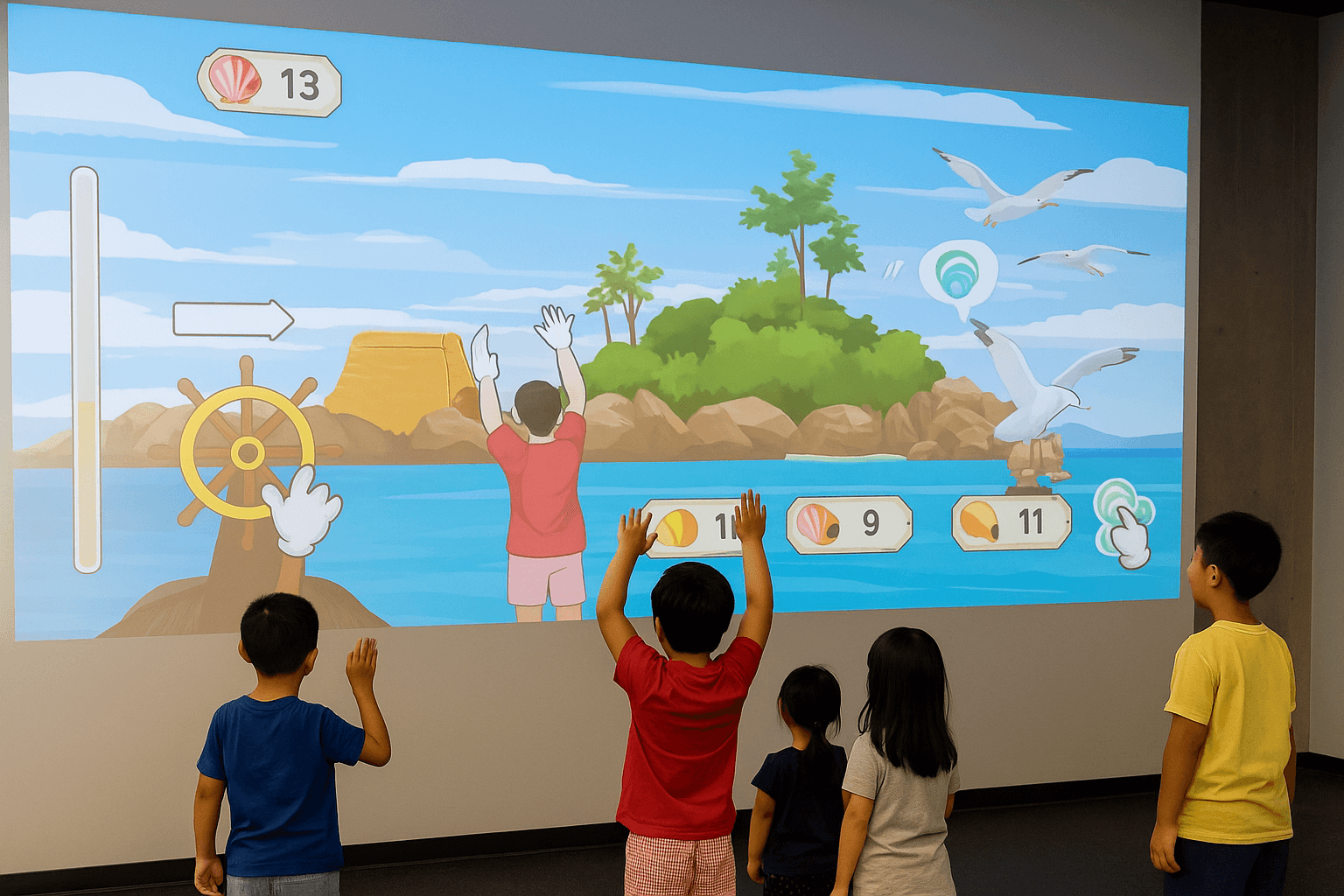
The interactive AR installation increased engagement and average dwell time by approximately 30–40% by turning historical content into short, movement-based missions.
Based on on-site observation and usability testing, over 80% of children actively completed the experience and remained engaged without adult guidance.
Problem :
Traditional museum exhibits fail to engage children, leading to short attention spans and limited learning retention.
Children lose interest quickly in static exhibits
Passive content doesn’t encourage exploration or movement
The museum needed a more immersive, modern way to tell local history
Solution :
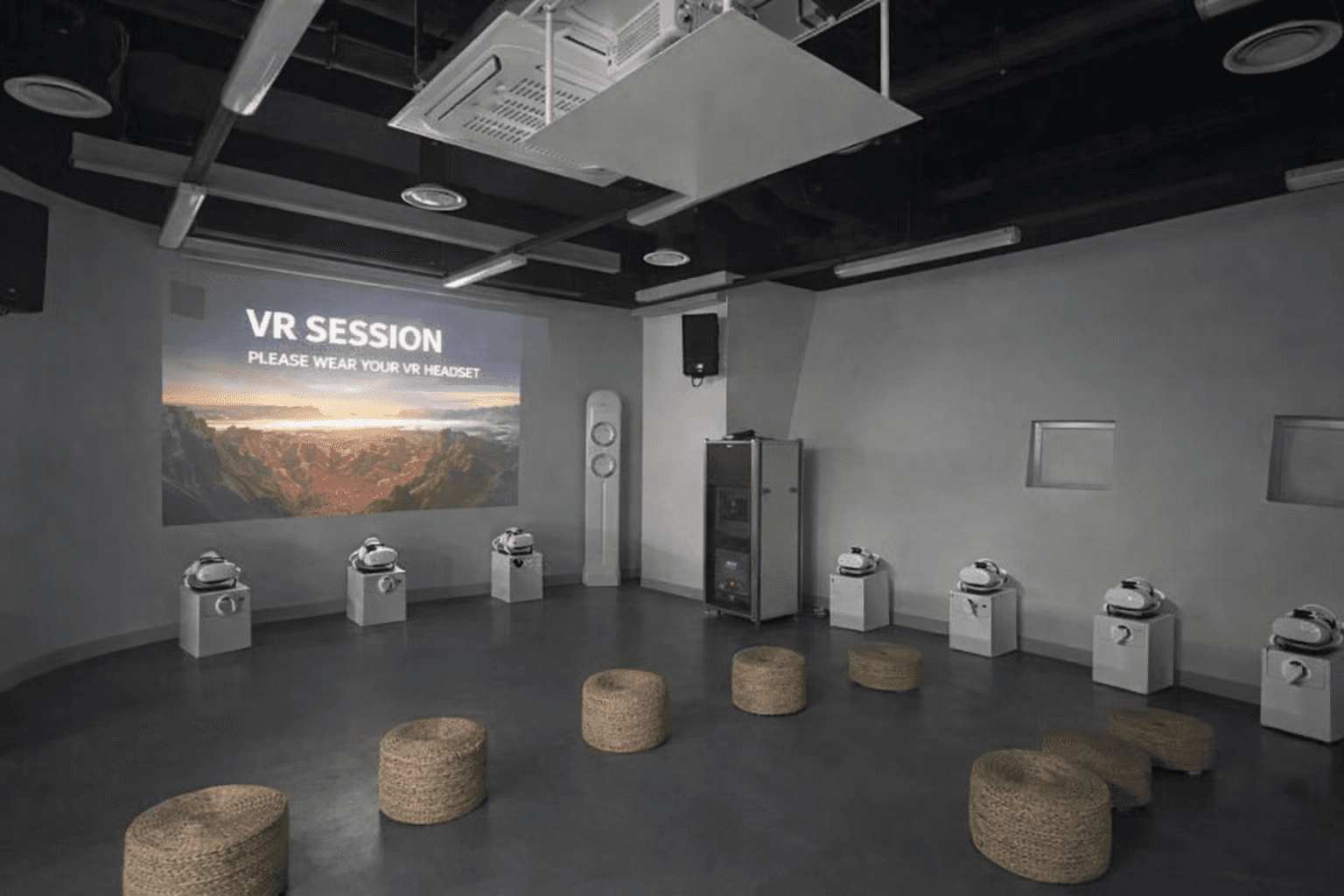
An interactive AR game that uses storytelling, physical movement, and short missions to keep children engaged while learning about Oido’s history.
AR-based missions tied to historical eras
Touch and motion-based interactions to encourage movement
Story-driven gameplay to improve attention and retention

Feature Rationale :
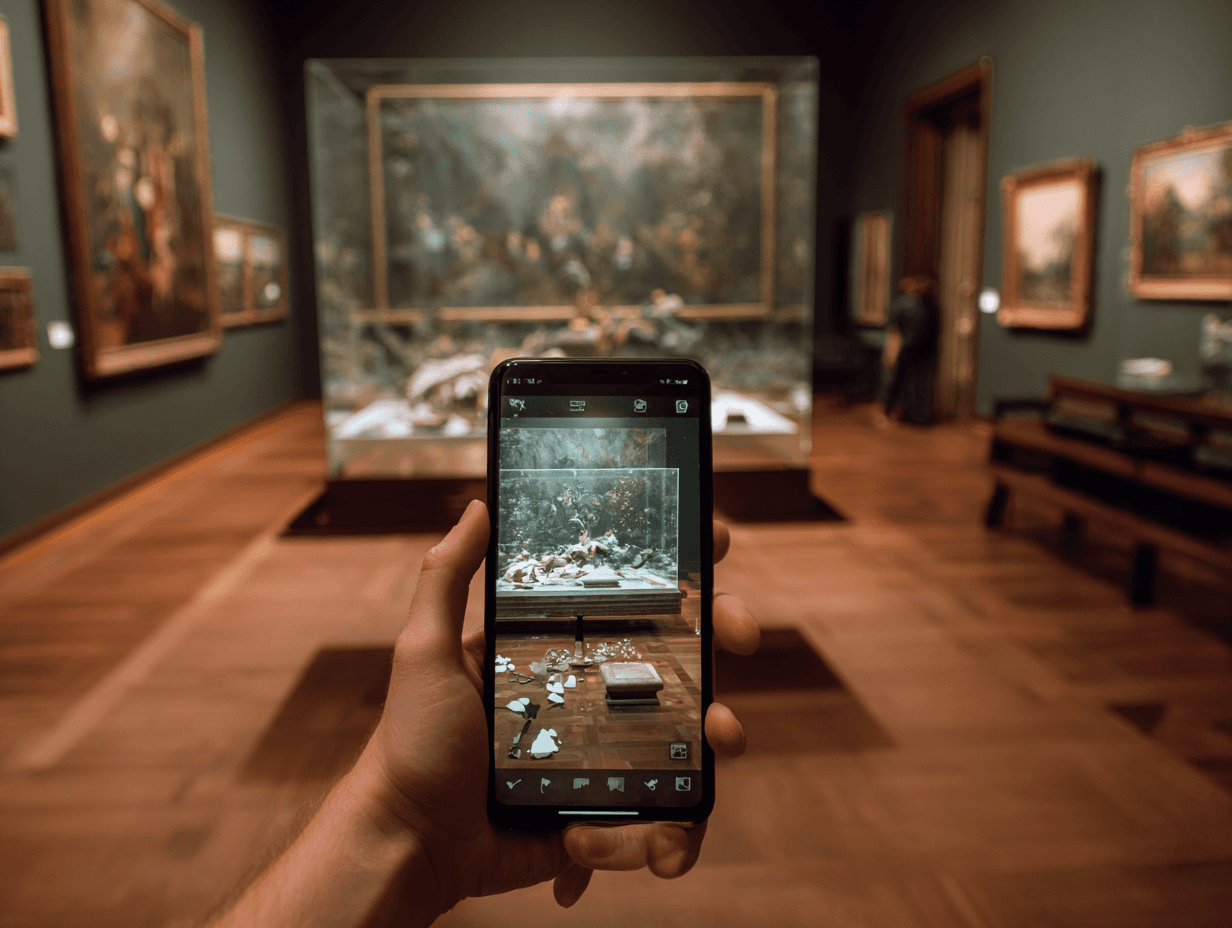
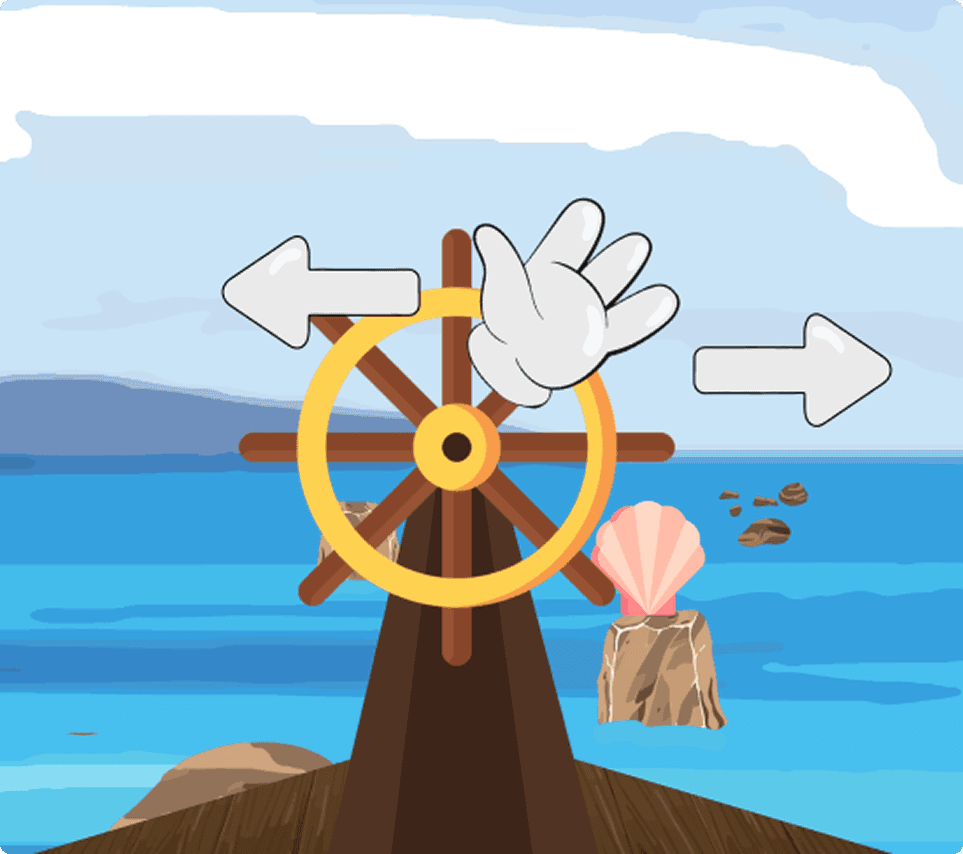
Movement-Based Interaction
Encourages active participation and keeps children engaged longer.

2. Story-Driven Missions
Frames historical content as a game to improve understanding and memory.

3. Short, Time-Limited Activities
Matches children’s attention spans and prevents fatigue.

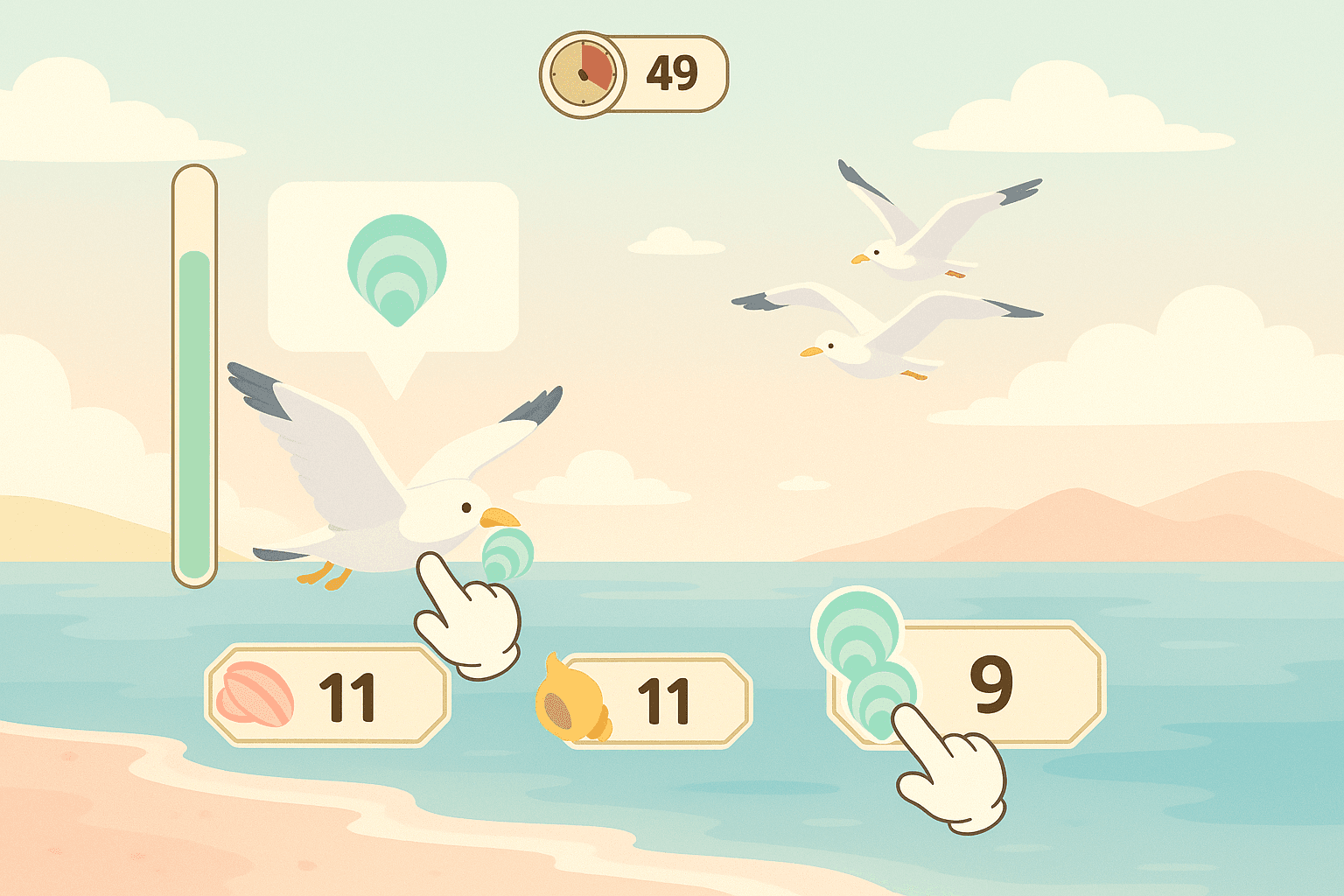
4. Visual Feedback System
Helps children understand progress without reading instructions.

Reflection & Learnings :
This project reinforced the importance of designing for users with limited attention and varying abilities.
If revisited, I would further explore accessibility considerations and edge cases such as group play and physical limitations.
More Projects
UI / UX Design
Journey Through Eras
Interactive AR experience designed to help children explore Oido’s history through playful, movement-based storytelling.
Year :
2021
Industry :
Exhibition / Interactive Media
Client :
Oido Museum
Project Duration :
15 weeks
Impact:
The interactive AR installation increased engagement and average dwell time by approximately 30–40% by turning historical content into short, movement-based missions.
Based on on-site observation and usability testing, over 80% of children actively completed the experience and remained engaged without adult guidance.
Problem :
Traditional museum exhibits fail to engage children, leading to short attention spans and limited learning retention.
Children lose interest quickly in static exhibits
Passive content doesn’t encourage exploration or movement
The museum needed a more immersive, modern way to tell local history
Solution :
An interactive AR game that uses storytelling, physical movement, and short missions to keep children engaged while learning about Oido’s history.
AR-based missions tied to historical eras
Touch and motion-based interactions to encourage movement
Story-driven gameplay to improve attention and retention
Feature Rationale :
Movement-Based Interaction
Encourages active participation and keeps children engaged longer.
2. Story-Driven Missions
Frames historical content as a game to improve understanding and memory.
3. Short, Time-Limited Activities
Matches children’s attention spans and prevents fatigue.
4. Visual Feedback System
Helps children understand progress without reading instructions.
Reflection & Learnings :
This project reinforced the importance of designing for users with limited attention and varying abilities.
If revisited, I would further explore accessibility considerations and edge cases such as group play and physical limitations.
More Projects
UI / UX Design
Journey Through Eras
Interactive AR experience designed to help children explore Oido’s history through playful, movement-based storytelling.
Year :
2021
Industry :
Exhibition / Interactive Media
Client :
Oido Museum
Project Duration :
15 weeks
Impact:
The interactive AR installation increased engagement and average dwell time by approximately 30–40% by turning historical content into short, movement-based missions.
Based on on-site observation and usability testing, over 80% of children actively completed the experience and remained engaged without adult guidance.
Problem :
Traditional museum exhibits fail to engage children, leading to short attention spans and limited learning retention.
Children lose interest quickly in static exhibits
Passive content doesn’t encourage exploration or movement
The museum needed a more immersive, modern way to tell local history
Solution :
An interactive AR game that uses storytelling, physical movement, and short missions to keep children engaged while learning about Oido’s history.
AR-based missions tied to historical eras
Touch and motion-based interactions to encourage movement
Story-driven gameplay to improve attention and retention
Feature Rationale :
Movement-Based Interaction
Encourages active participation and keeps children engaged longer.
2. Story-Driven Missions
Frames historical content as a game to improve understanding and memory.
3. Short, Time-Limited Activities
Matches children’s attention spans and prevents fatigue.
4. Visual Feedback System
Helps children understand progress without reading instructions.
Reflection & Learnings :
This project reinforced the importance of designing for users with limited attention and varying abilities.
If revisited, I would further explore accessibility considerations and edge cases such as group play and physical limitations.